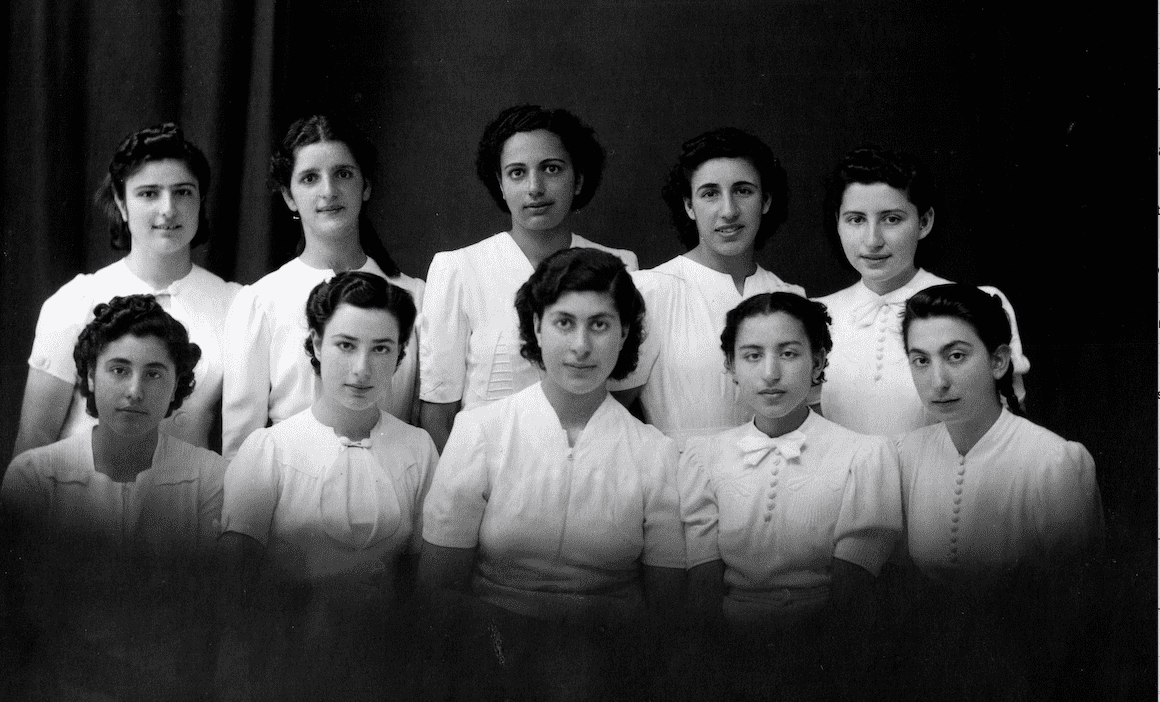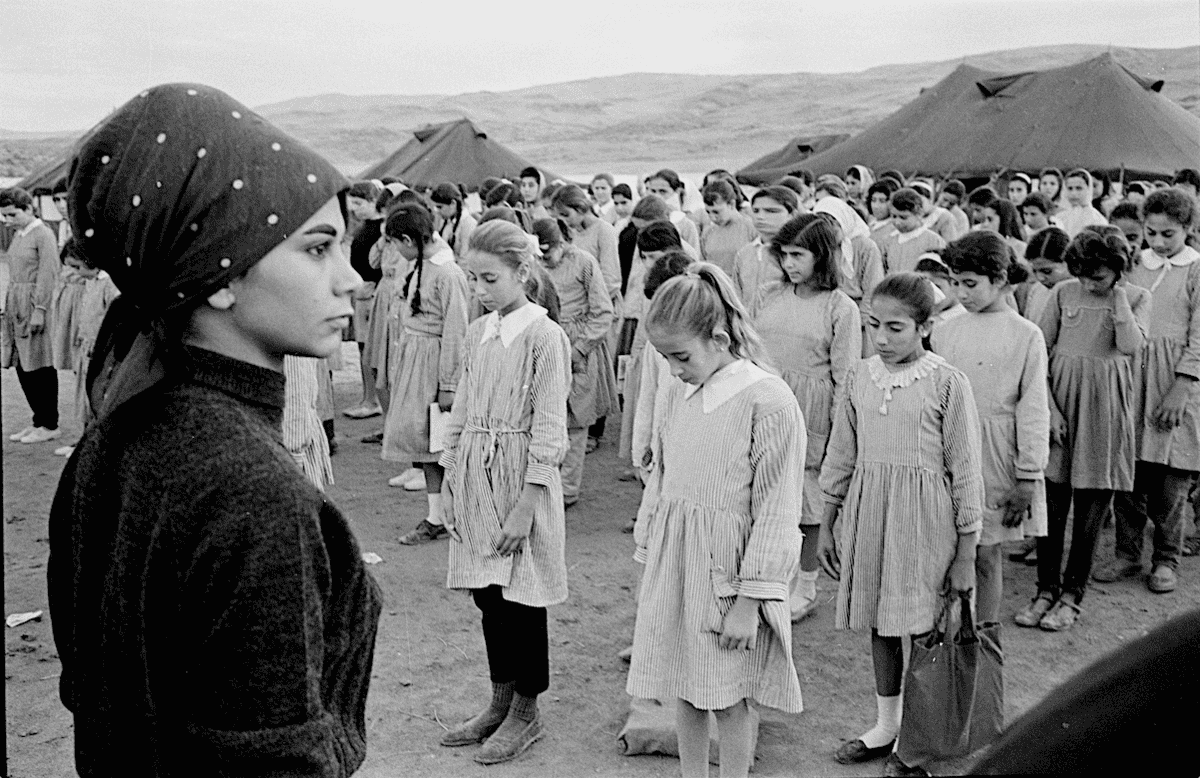
A teacher and her students at the Damia refugee camp in Jordan, 1969. UNRWA Archive

Facilitator Dashboard

The Palestinian Nakba Curriculum has been designed for both in-person and online learning, and all of our Sessions, Tracks, and Modules can be facilitated from this dashboard. Facilitators can choose which sessions to present and in what order and can select among the suggested readings and activities. All of the activities found in the curriculum can be adapted to the needs of any group.

Facilitation through a Participatory Action Research (PAR) framework is reflective, intentional and participatory, ensuring that all voices are heard.

Facilitator Essentials

‘Prep Readings’ for each Session, Track, and Module: These are suggested materials that are useful for each session. Facilitators may want to review the listed materials and choose which of them they would like participants to read in advance of the session. 

Facilitator Notes: Information and/or suggestions on how to guide the activity and/or discussion.

Reflection Questions: These help make the conversation richer and enable participants to reflect more upon what they are learning. Share on chart paper, projection, digital slide, screen-share, copied into a chat, or spoken aloud.

Slideshows: Links are embedded within corresponding sessions, tracks, and modules. Under the slideshow images, you will find “Facilitator notes” to help guide the discussion with reflection questions and other important context/information. You will also find background information under the images, noted as “image descriptions/sources” and “additional information.” PDFs of the notes are also available.

Additional Resources: In most sessions, we provide links to additional material that the facilitators can use to deepen their own background, to prepare for sessions, or to recommend to participants. Within the bibliography, a deeper dive on any given subject can be pursued.
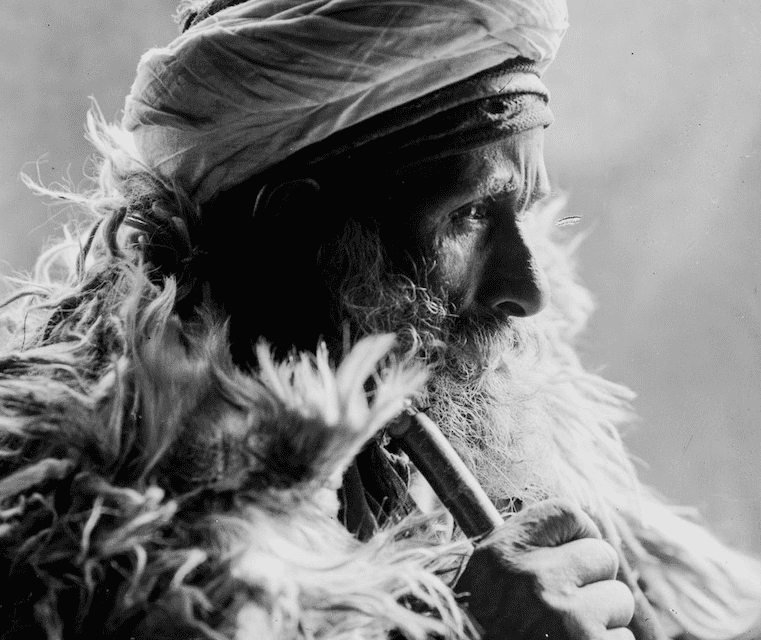
Bedouin, 1898
OS

Opening Session

The Opening Session offers an introduction to the curriculum and its visual themes and can be used at the beginning of Session 1 or preceding any session or module to welcome the group, introduce participants to the session(s), and set community agreements.

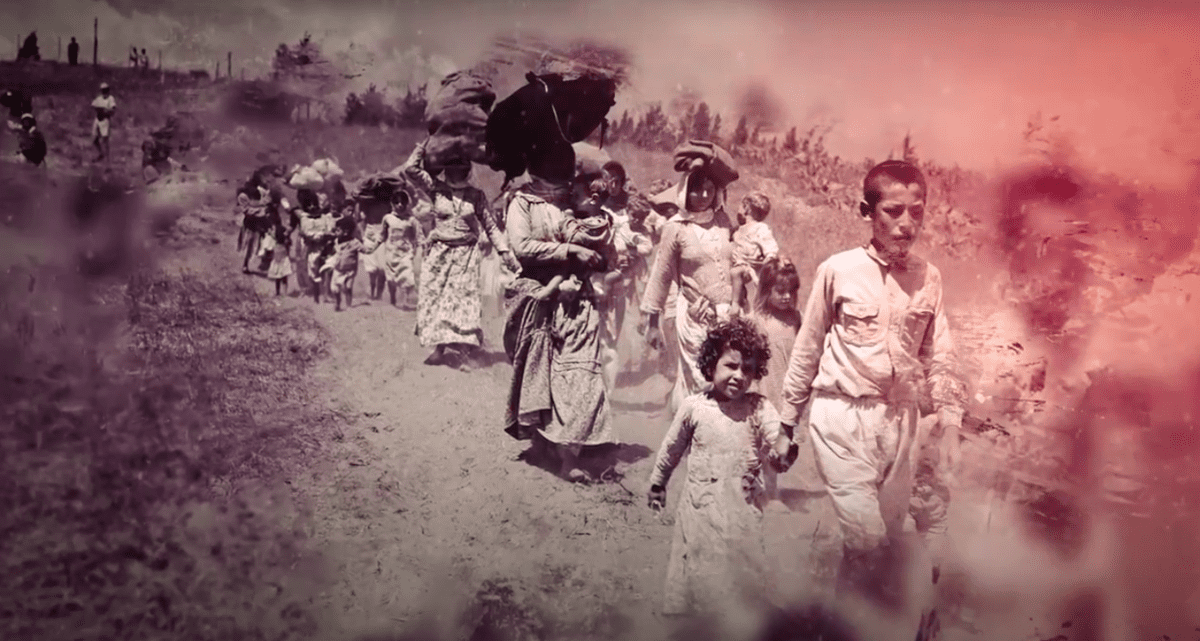
Image of Palestinians in exile
S1

Pre-Nakba Palestine

This session offers an exploration of the historical context that resulted in the Nakba, including the expulsion and dispossession of Palestinians from their land, along with the erasure of Palestinan life and culture. Participants begin to understand the impact of settler colonialism on the Palestinian people. The richness and complexity of pre-1948 life in Palestine is juxtaposed with the impact of the Balfour Declaration and Britain’s support for a Jewish national home in Palestine.

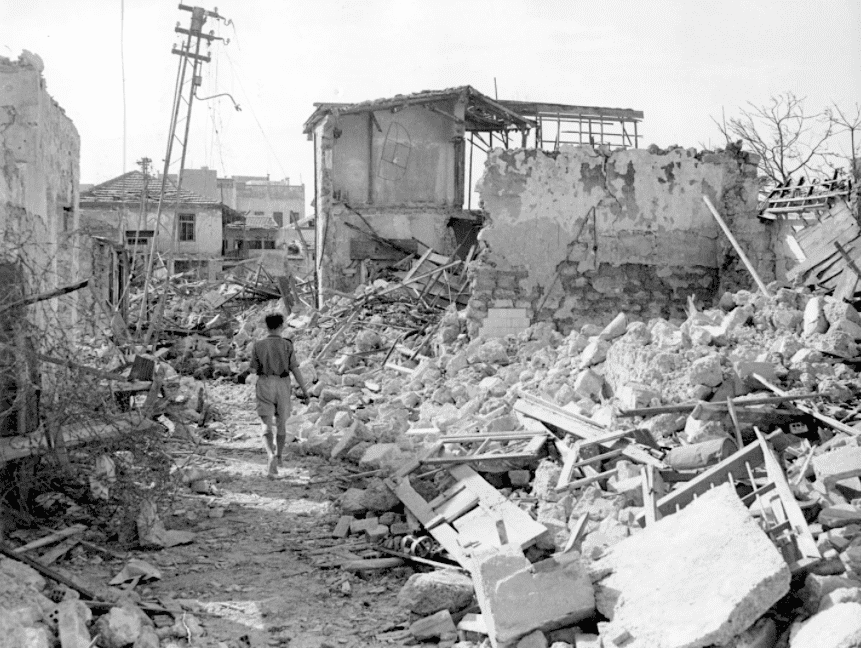
Manshiyak Quarter, May 1948
S2

The Nakba

In this session, participants consider the history and material consequences of the Nakba, including what’s been hidden and erased, what’s been built over, stolen, destroyed, and what remains. Concepts of Indigeneity, settler colonialism, and cultural identity are explored in relation to Palestine as is the role of British imperialism.

Quosiy Burqan
S3

Ongoing Nakba

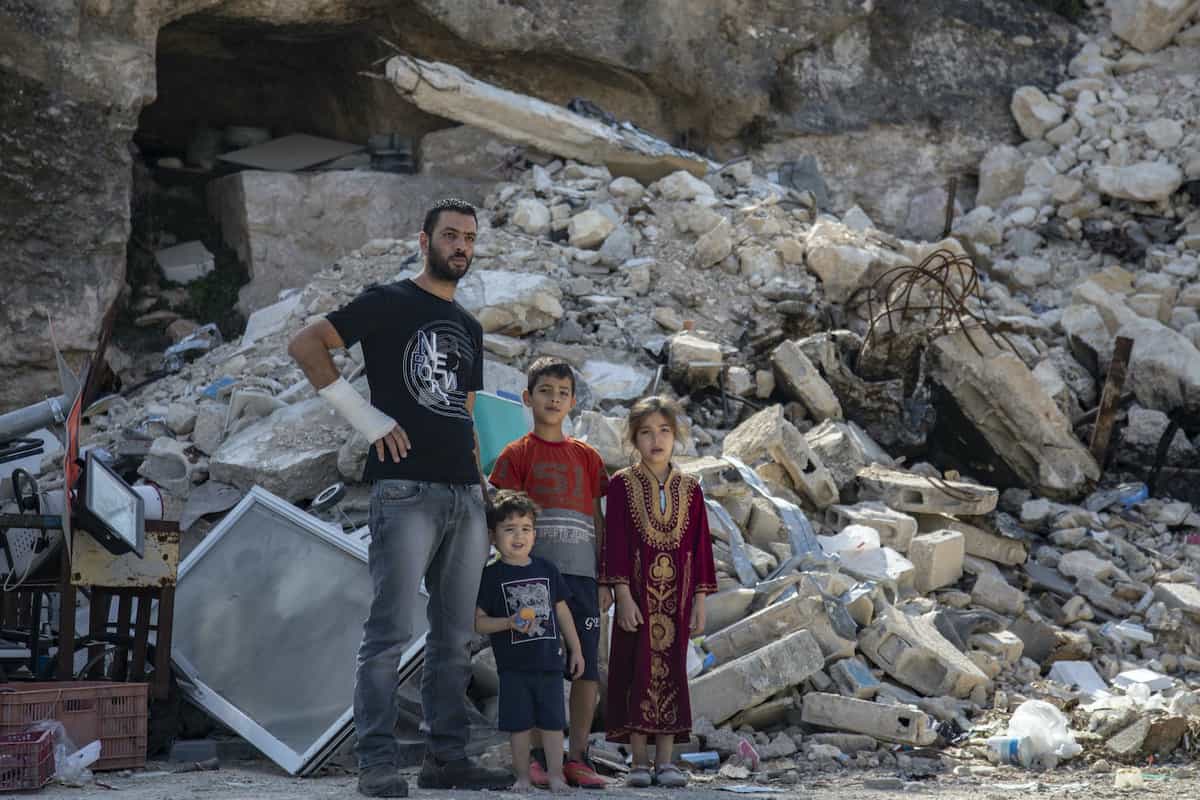
In this session, participants examine the ongoing displacement of Palestinians from their homes and land prior to and in 1947­/48, 1967, and that continues to the present. These ongoing realities are shown through different forms of information, including graphs that trace demographic and population shifts in both cities and villages; maps that depict changes in ownership and control of land; and stories that illustrate how these changes were part of intentional processes of ethnic cleansing that impact the lives of Palestinians and their families, then and now.

Photo Illustration By Elizabeth Brockway
S4

Zionism: Foundation & Intentions

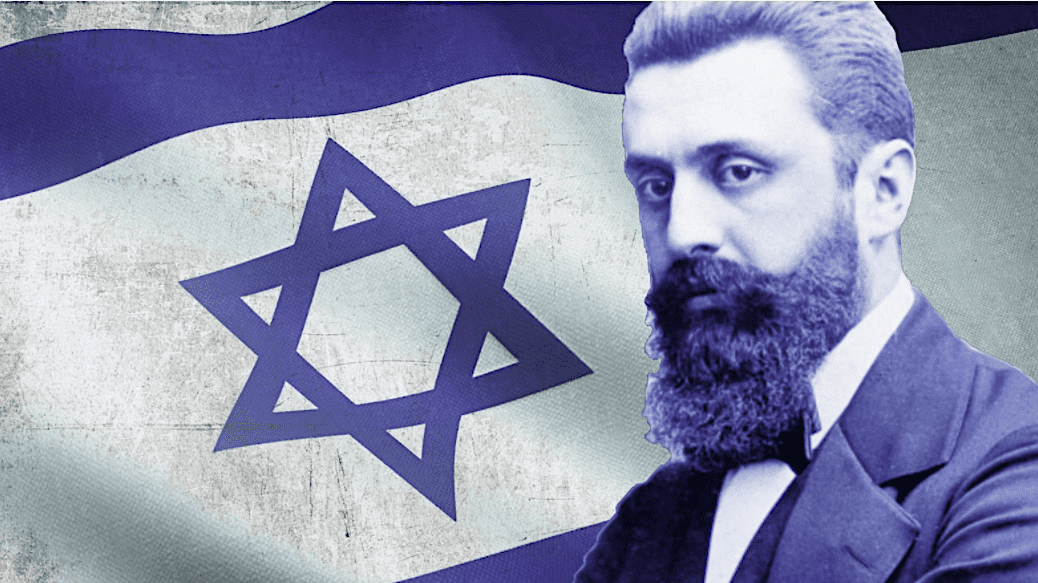
This session, presented in Slideshow format, exhibits the foundations and intentions of Zionism, the enactment and reality of Zionist colonization in Palestine, and the historical context for Palestinian opposition to Zionism. Excerpts from speeches and writings of Zionist and Israeli leaders illustrate the intentionality of the process. The session also addresses the pervasive Zionist narrative that continues to “justify” the Nakba, despite clear and compelling facts, historical documentation, and experiences of Palestinians.

Old image of group of women
S5

Testimony & Storytelling as History

This session presents life stories as historical events with an understanding that testimony, oral history, memory, and storytelling shape and are a critical part of history. The stories shared in this session specifically focus on what life was like before and during 1948 and offer accounts that are critical to the understanding of what and who has been omitted from historical accounts. Participants also conceptualize and reflect on what “testimony” means, and challenge notions of what constitutes “truth” and the historical record.

Palestinian sign
S6

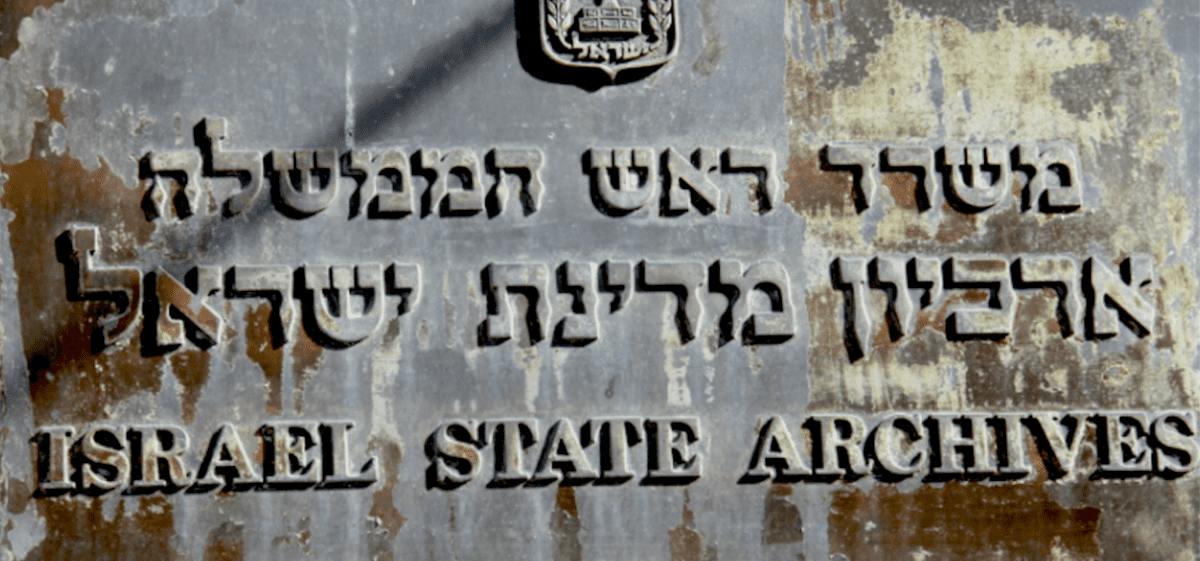
Archive as Power

This session offers a look into archives, what constitutes an archive, what they contain, how they are constructed, and why. Participants engage in close readings of “archival” texts and consider the ways that a Palestinian archive, or an archive framed around the history of Palestine, is necessarily constructed from sources– images, texts, objects– that were not only created and compiled, but omitted, extracted, destroyed, and stolen.

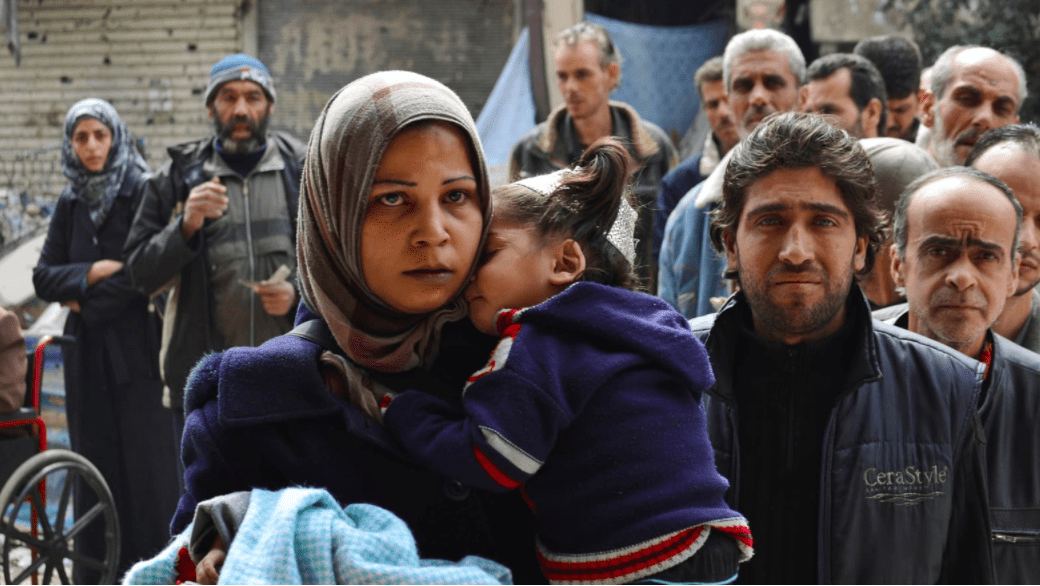
Humanitarian Aid for Palestinians
S7

Refugees & The Right of Return

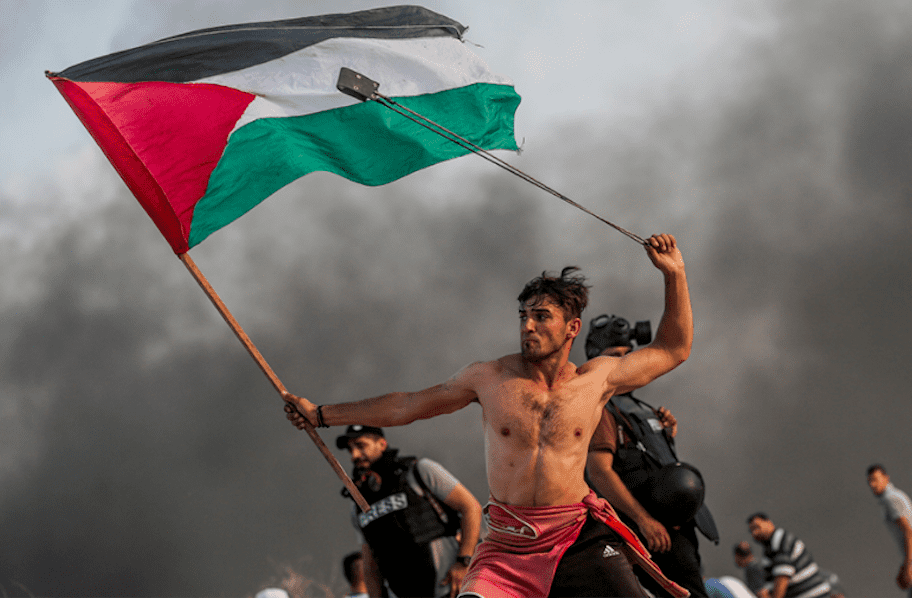
In this session participants take a sharp look at the right of return for Palestinian refugees who were expelled from their homes and land. Through data, stories, legal documents, artistic renderings, among other forms of expression, participants deepen their understanding of the realities and impact of expulsion and dispossession and the envisioning and practicalities of a return home.

Gaza return march
S8

Ongoing Resistance

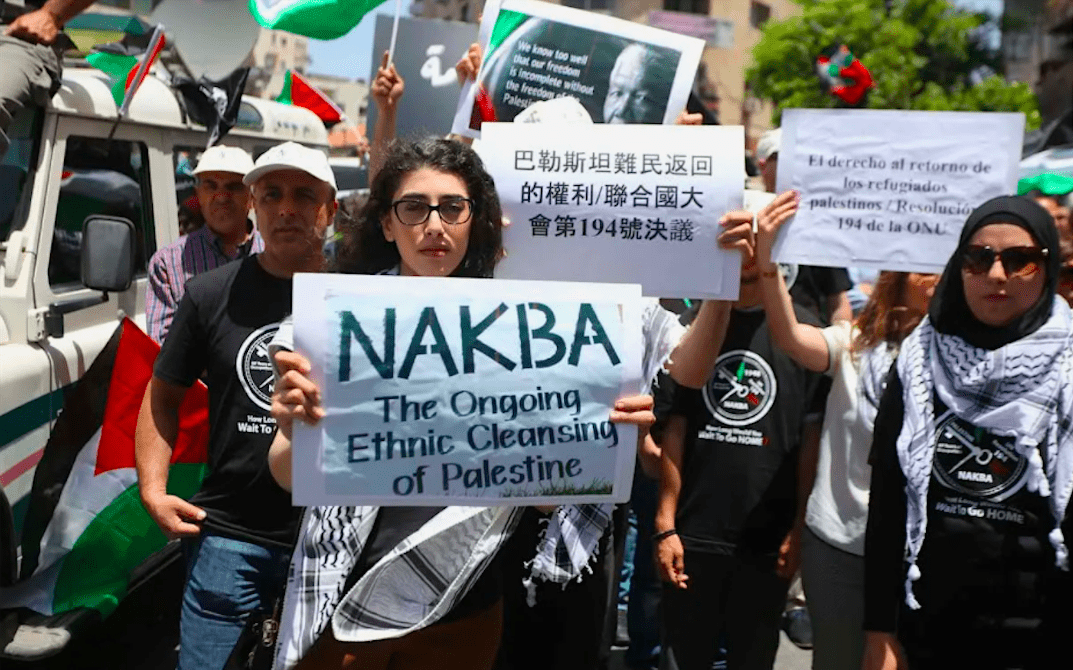
This session explores ongoing social, political, economic, and cultural forms of resistance in Palestine. Through a look at different forms of resistance– current and historical as well as transnational, national, and local– participants understand the impact, visions, and connections among movements for justice in Palestine and globally.

Anniversary of the Nakba, May 2017
CS

Closing Session

This session can be used at the end of a series/course or added to the end of any session. This Closing offers a reflection on the session(s) as a whole and considers how what we’ve learned has impacted our thinking and how we might want to take action.

Old image of Palestinians in exile
T1

High School & Young Learners

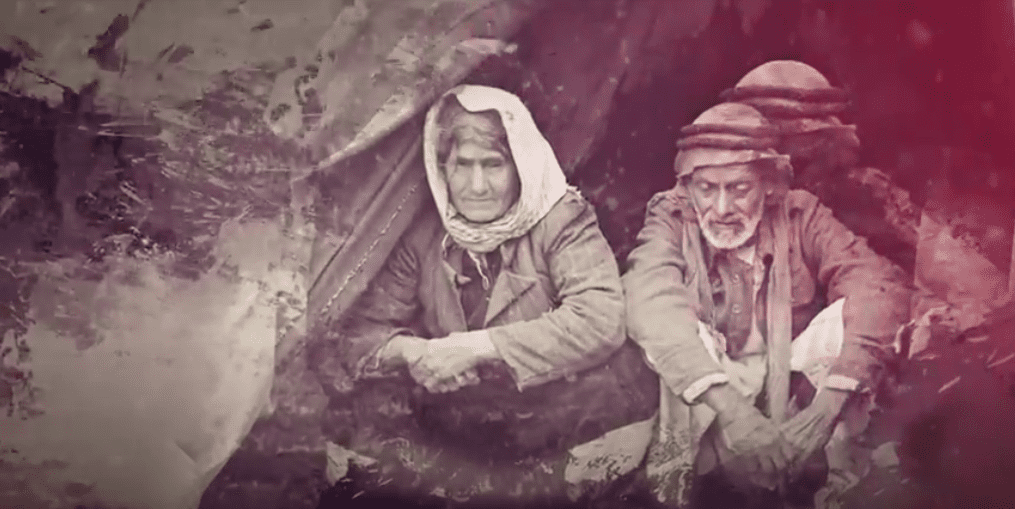
Palestinian refugees sit inside their tent in the newly formed Ein El Hilweh refugee camp, Lebanon. © 1948 UN Archives Photo by Myrtle Winter Chaumeny
T2

Study Groups with Zionism Background

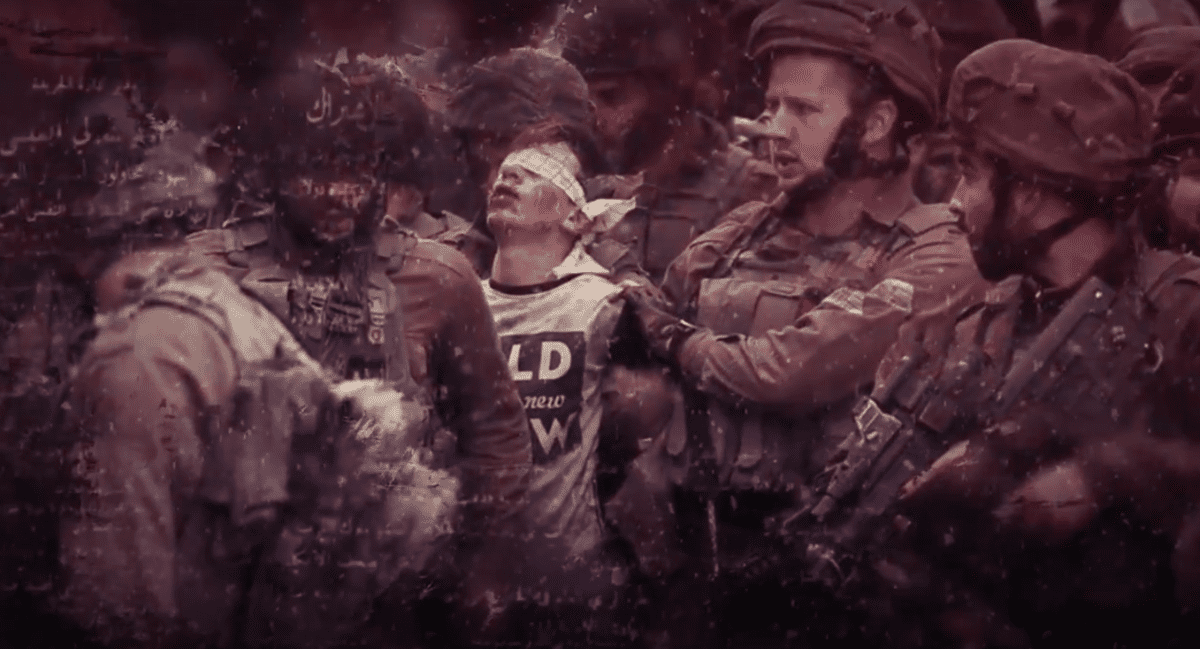
16 year old Fawzi al-Junaidi is beaten, blindfolded and arrested by Israeli soldiers at a protest in Hebron on December 7, 2017. Wisam Hashlamoun, Flash90
T3

Learning Within Social Justice Groups 

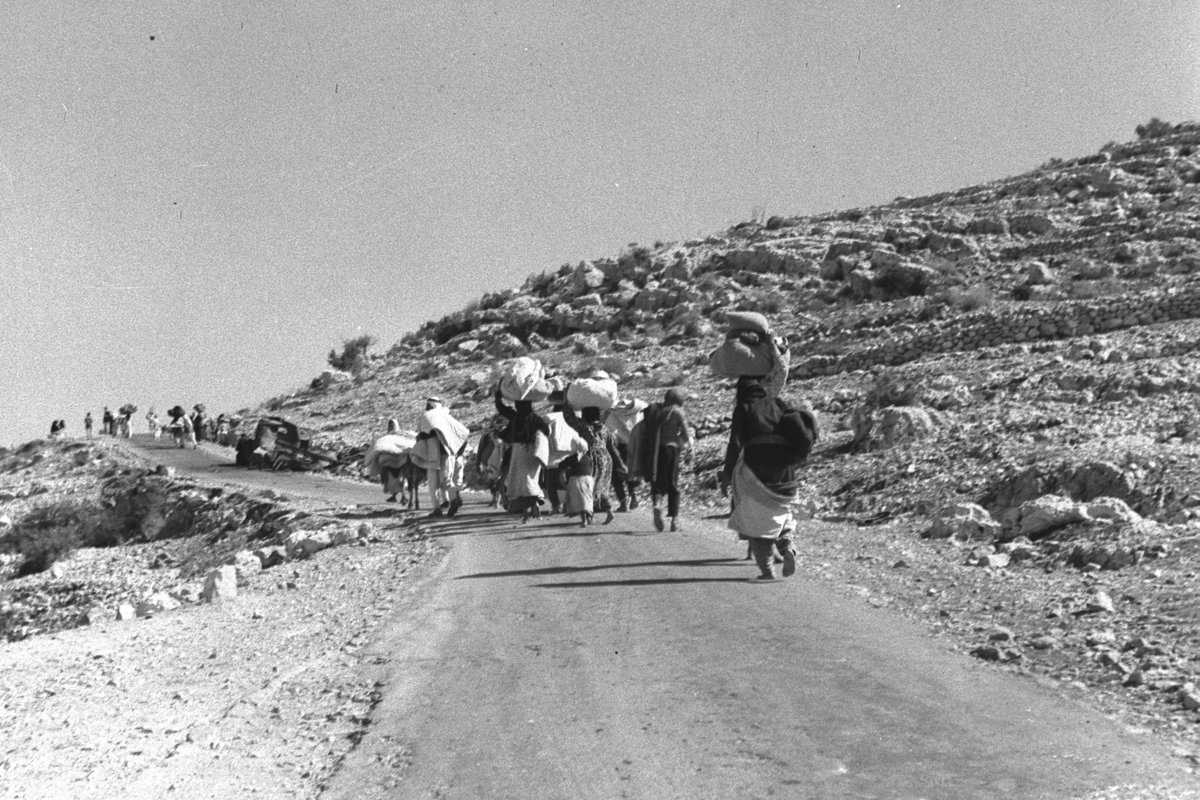
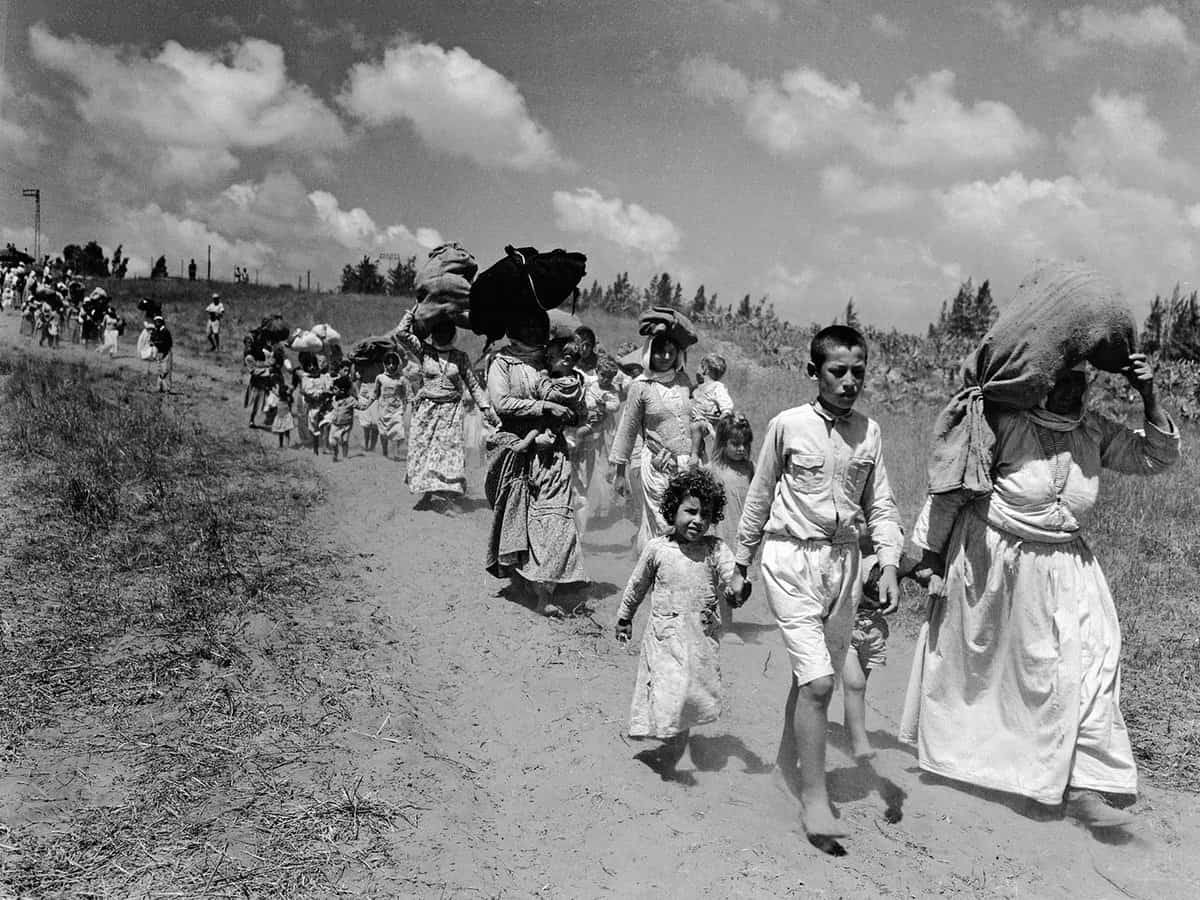
Palestinians in exile, October, 1948
M1

Settler Colonialism & Palestine

This module hones in on settler colonialism conceptually as well as in practice across the globe, and then looks at how we can understand Palestine within a settler colonialist framework, not just historically but how it is ongoing – rooted in Israel’s structures, policies and systems of oppression. The module can be entirely facilitated through the featured Slideshow & Notes.

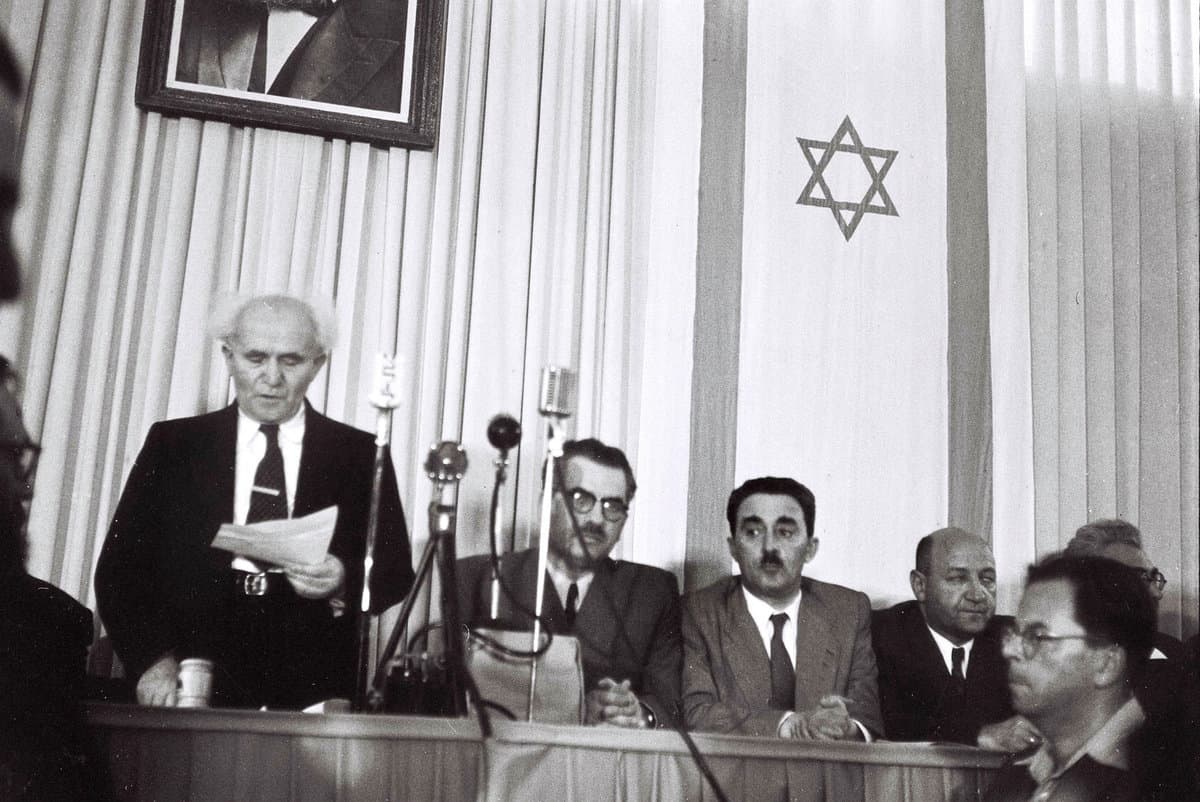
Ben Gurion declares State of Israel
M2

Zionism

This module outlines the historical trajectory of Zionism from its foundation and up through the creation of the state. It makes clear the goals and intentions of the Zionist movement, as well as highlights its impact on, and resistance from, the Indigenous Palestinian population living there.